Register Now!
Project Engineers (PEs) play a pivotal role in the success of construction projects, with many being recent graduates or interns. This Bootcamp bridges the gap left by higher education and targets interns or Project Engineers in the early stages of their construction careers, including those with up to seven years or experience. It is also advantageous for craft leaders or administrative personnel aspiring to become Project Engineers. The Bootcamp is conducted by seasoned constructors and instructors eager to impart their work experiences and nurture the next generation of construction leaders.
There are 9 sessions in our newly updated Project Engineer Bootcamp:
Session 1: Roles of a PE & Importance of Document Control
The Project Engineer is one of the most critical members of the jobsite team. This session covers duties / responsibilities, effective habits, and industry best practices. Content also includes reviewing Document Control responsibilities and what that means for a successful project.
Session 2: Visualizing and Interpreting CDs
This session builds the core skills needed to confidently navigate construction documents (CDs). Participants will learn how to identify drawing scales, understand the difference between plan north and true north, ready dimensions accurately, and determine when to reference the plans versus the specifications for critical information. The session also emphasizes how line types and line weights communicate intent, helping you interpret drawings quickly and accurately.
Session 3: Understanding Scope
This session breaks down how scope is defined within drawings and specifications, and how that scope is assigned to subcontractors and self-performed crews. Participants will learn practical techniques for reviewing and interpreting Subcontract Agreements and how those contractual requirements directly influence document logs, change orders, submittals, and overall procurement strategies.
Session 4: Leveraging AI, RFI's & Meeting Minutes
This session teaches emerging construction professionals how to write clear and effective RFIs and produce accurate meeting minutes. Learn to clearly identify and articulate what is needed to keep work progressing. Participants learn skills to be an effective team member that removes roadblocks, captures commitments, improves documentation quality, and applies practical best practices that strengthen communication, decision-making, and project execution.
Bonus Content Includes: How to effectively leverage AI as a thought partner in your construction workflow.
Session 5: Submittal Management + CloseoutThis session gives you a deep, practical look at the submittal process and how it ties directly back to the Contract Documents. You'll learn how to properly review contract requirements, interpret every action on a submittal stamp, and understand the real-world consequences when materials are "approved" but don't actually meet contract specifications.
Bonus Content Includes: Understanding why closeout starts on day one - and share proven best practices for setting up your project so closeout is smooth, complete, and stress-free.
Session 6: Importance of Owner Contract
This session highlights why fully understanding the Owner Contract is essential to delivering a successful project. Participants will learn how to break down contract requirements, identify key terms, and ensure their team is executing the project scope in alignment with the deal they agreed to.
Bonus Content Includes: A guided exercise on creating project-specific contract "cliff notes" + Tips for turning complex contract language into a simple, shared reference your whole team can use.
Session 7: Scheduling Fundamentals
This session provides a clear, practical introduction to reading and understanding project schedules. You'll learn how to interpret activity durations, logic ties, and float, and gain a solid understanding of why the critical play drives project success. The session equips you with the foundational skills needed to navigate, communicate, and manage schedule impacts with confidence.
Session 8: Change Management
This session explains why effective change management is critical to protecting both project outcomes and contractual obligations. You'll learn how to review key documents - including RFIs, submittal comments, and change directives - to determine scope impacts, schedule effects, and entitlement to contract modifications. The session also walks through the practical steps of notifying subcontractors, performing accurate quantity takeoffs, and developing clear, defensible pricing for project changes.
Session 9: Owner / Architect / Engineer Communication
This session explores the essential soft skills needed to communicate effectively with Owners, Architects, and Engineers. You'll learn how to present yourself professionally, deliver difficult messages with confidence, and manage expectations throughout the project lifecycle. The session also covers personal branding, career progression strategies, zippering techniques for building strong relationships, and practical ways to pre-position yourself as a Project Engineer to secure future project opportunities.
Take Aways:
- Clear understanding of the PE role and expectations
- Strong foundation in document control best practices
- Ability to confidently navigate and interpret Construction Documents (CDs)
- Practical understanding of scope allocation and contract requirements
- Competency in writing clear, effective RFIs
- Ability to write accurate and defensible meeting minutes
- Early career tools for leveraging AI in construction workflows
The Instructor:
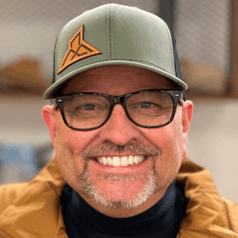 Dan Rondinelli holds a Bachelor of Science degree in Construction Management from Colorado State University and has been constructing commercial projects for 34 years. Additionally, since 1999, he has taught plan reading, quantity take-off, and estimating at CSU on a part-time basis.
Dan possesses a "Class A: contractor's license in the City and County of Denver and is a Certified Cost Professional. Outside of building and teaching, Dan spends his time in his woodshop, engaging in hands-on craftsmanship.